
The Sharon Playhouse is a cultural institution in Sharon, Connecticut, known for its long–standing role in local theatrical life. The theater developed as a place where stage performance, artistic education, and community participation come together. Its history reflects how regional theater can survive and adapt while remaining connected to local traditions, audiences, and creative practice.
Early history and foundation Sharon Playhouse
Sharon Playhouse started as a summer theater at a time when summer shows were normal in country places. The first building was small and for use, not to look nice. From the start, the playhouse wants people to see live theater out of the big city.
First shows use a mix of pro actors and local people. This helps people trust and share art. Shows in warm months, so people come easy.
First years make theater what it is. The focus was on the story, a clear show, and respect for the old theater way. These things stay important when the playhouse grows with more shows and tools.
Key elements of the early stage include:
- Creation as a seasonal performance space
- Focus on live theatre for regional audiences.
- collaboration between professionals and locals
- simple infrastructure supporting clear production
These elements formed a stable base for future development.
Architectural space and stage design
The building of Sharon Playhouse shows it is for theater. Rooms and space make people look easy to stage. Seats, light, and sound are put simply, not too fancy.
The stage can be used for many show types, drama, or music. Back rooms for moving and preparing fast. This help shows and practice goes smoothly.
Over time, tools get better. Lights and sound change for new needs but keep the old style. These make shows better but place still the same feeling.
Artistic programming and repertoire
The Sharon Playhouse presents a range of theatrical works. Programming often includes classic plays, contemporary drama, and musical productions. Selection is based on artistic value and audience relevance rather than commercial promotion.
Productions are planned based on the seasons. Rehearsals follow set schedules, which helps actors develop their characters in a focused setting. Directors and creative teams use established methods in theater.
The theater allows for some experimentation. There is innovation, but the shows are still easy to understand and based on clear stories. This balance keeps people of all ages interested in the show.
Education and performer development
Education plays an important role in the theater’s activity. Workshops, training programs, and rehearsal participation allow emerging performers to gain experience. Learning occurs through practice rather than formal instruction alone.
Young actors and tech people learn from watching pro actors. This place helps make discipline, work together, and respect theater. Skills from here can be used in other art jobs too.
Educational activity supports long–term continuity. By involving new participants, the theater maintains relevance and renews its artistic community.
Community involvement and cultural role of Sharon Playhouse
The Sharon Playhouse functions as a shared cultural space. It brings together residents, visitors, performers, and staff in a common experience. Attendance patterns show consistent interest across seasons.
Community involvement appears in volunteer support, audience participation, and local recognition. The theater operates as part of the town’s cultural network rather than as an isolated institution.
Activities connected with the playhouse include:
- attendance at seasonal performances
- Participation in rehearsals and workshops
- volunteer support for productions
- Informal discussion around performances
These activities strengthen social ties and shared cultural references.
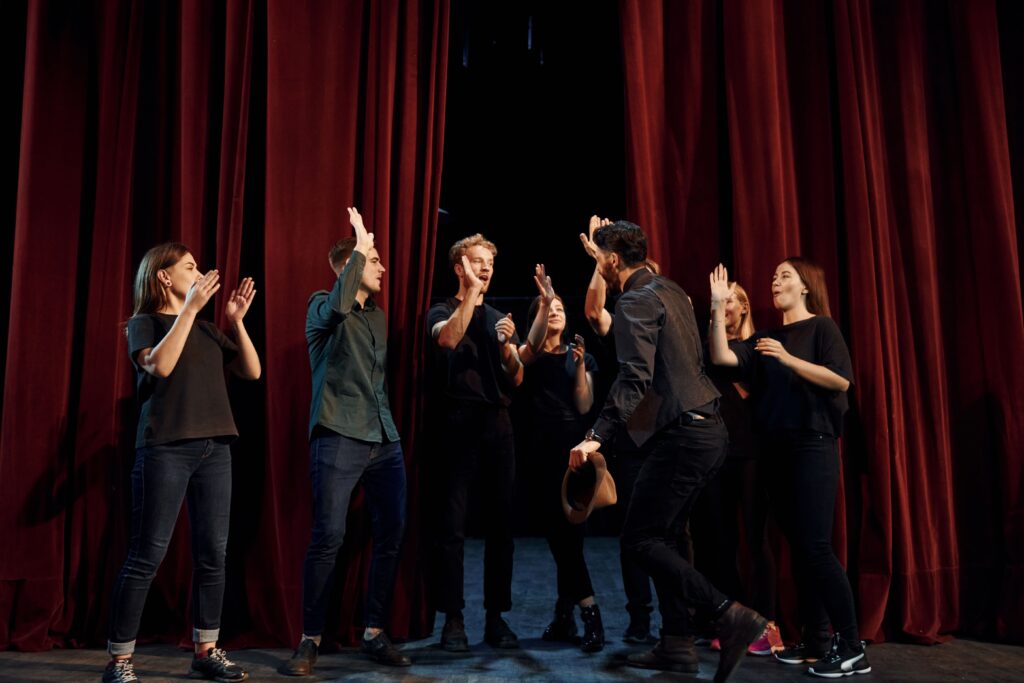
Place within regional theater history
Within the broader context of regional theatre, the Sharon Playhouse represents sustained artistic presence. Its continued operation shows how small–scale theaters can remain active without constant expansion.
The playhouse helps show many different kinds of theater in the region. It offers alternative options that differ from those provided by large city theaters. People can see excellent shows near home. Even if it is not in the city, it keeps a pro level and good quality. This way, more people can enjoy live theater and learn about art. It helps culture grow in town and around.
The theater also shows the old way of culture moving out from big cities. It stays outside the city, which helps the town keep its own identity. People can make their own art and shows here. This helps local artists be free and create new things. Theater in small places shows how culture grows not only in big cities but also in small towns.
Continuity and preservation of tradition
Sharon Playhouse keeps going with care to the old mission. They do small changes slowly. This let people, actors, and the audience get used to it easily. This way, it helps keep the memory of the theater place for a long time.
Old ways of showing style, planning time, and how people watch remain the same. These old ways tell people what to expect. They make trust and safety felt. They also help new shows and ideas work inside.
Playhouse is like a cultural sign for the town and area. It shows how theater is art and a place for people to be together. The history of the playhouse tells about many years of work for live shows, shared fun, and the culture of the region. People come here not only to watch the show but also to feel part of the community and see old and new stories together. Teachers, young actors, and people learn about theater life and how to make shows better.